
ELVIO Makes Functional Design and User Experience Central Throughout Product R&D
ELVIO
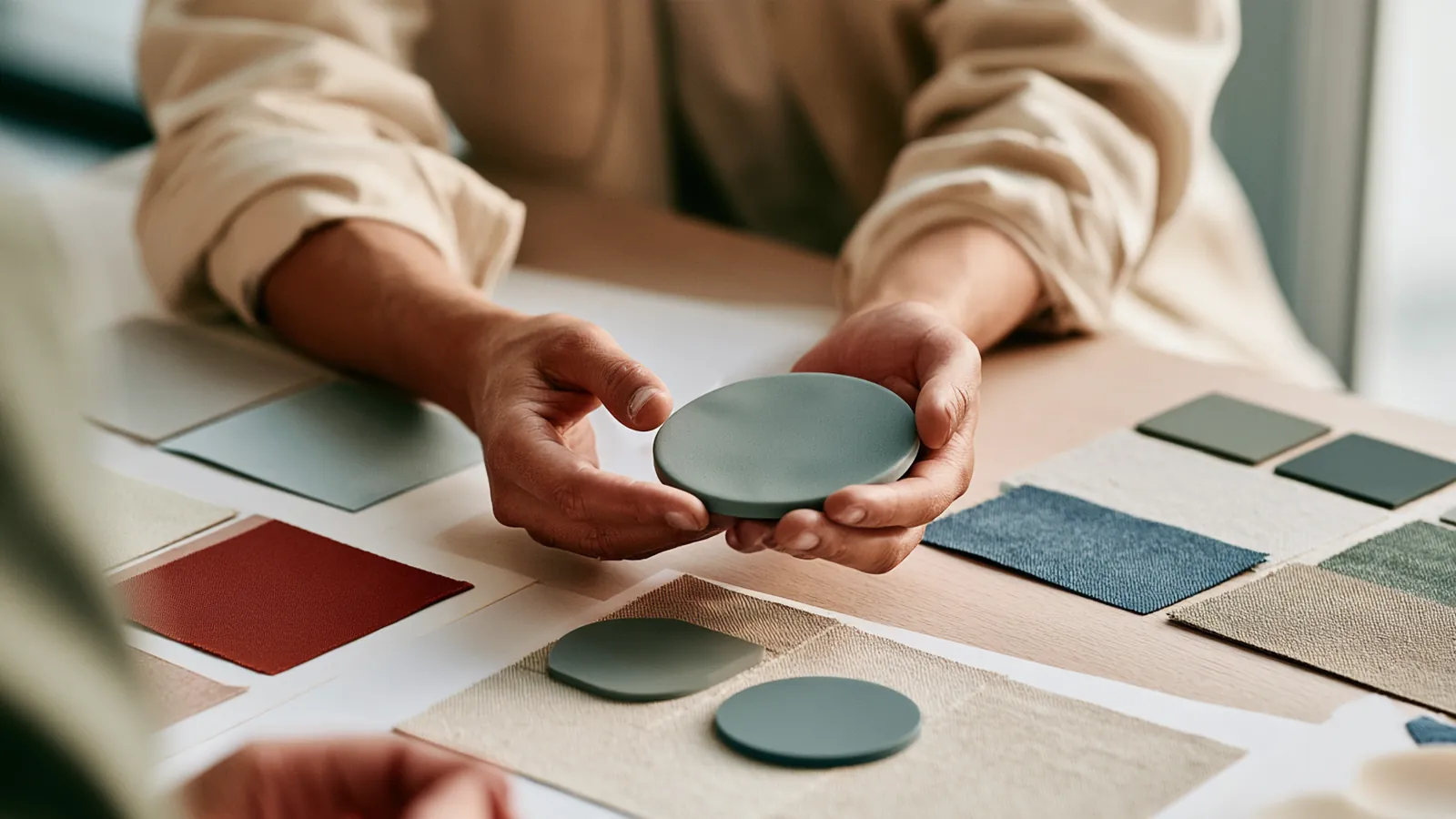
From delivering functions to refining the experience, ELVIO starts from real needs to bring product design closer to people's lives.
In an era of continual product and technology innovation, consumers' expectations of a product are no longer limited to whether it has a particular feature.
Is the product easy to use? Is it convenient to operate? Does its design fit everyday habits? Can it deliver a comfortable, natural, and worthwhile experience in real life?
These seemingly simple questions are becoming important factors in how consumers choose products.
For ELVIO, product R&D must consider not only whether technology can deliver the intended functions, but also how consumers will understand, use, and experience those functions.
A truly valuable product should not only solve a problem, but also make the process of solving it simpler and more natural.
Functionality determines what a product can do; experience determines whether consumers are willing to use it, and to keep using it.
1. Functionality Is the Foundation; User Experience Determines Real Value
No product can be developed without functional design.
Whether it is an everyday household item, a personal health product, or a digital service or smart device, a product must first have the basic ability to meet a specific need.
However, delivering functionality is only one important step in product R&D; it does not guarantee that consumers will have a good user experience.
A product may have a wealth of features, but if it is complicated to operate and inconvenient to use, consumers may still struggle to get its full value.
Conversely, a product with well-considered functional design and a clear way of being used may win consumer approval because it fits actual needs more closely, even without an abundance of complex settings.
ELVIO believes product R&D should not focus only on the number of features, but on whether each feature is necessary, whether the design is sensible, and whether consumers can use those features easily.
A product's value lies not only in its technical specifications, but in every instance of real use.
ELVIO therefore hopes to combine functional design with the actual experience in its product R&D, so that technological capability truly translates into value consumers can feel.
2. Thinking from the User's Perspective to Bring Design Back to Real Life
Good product design starts with understanding the user.
Different consumers have different habits, experiences, and actual needs.
Even for the same product, different groups may have markedly different expectations regarding how it is operated, how it looks, how convenient it is to use, and the service experience.
Product design therefore cannot start solely from the technical perspective of R&D staff; it needs to consider things from the user's point of view.
In what situations will consumers use the product? What difficulties might they encounter while using it? Which steps could be made simpler? Which design details could improve the overall experience?
All of these questions deserve attention during the product R&D stage.
Through a continued understanding of real-life situations and consumer needs, ELVIO hopes to give product design a clearer direction.
In product planning, it considers not only what functions a product can deliver, but also how consumers come into contact with, understand, and use the product.
From appearance to mode of operation, and from feature layout to the usage process, every detail can affect the final experience.
Truly people-centered design does not ask consumers to adapt to the product; it makes the product better adapted to people's needs.
3. Simplifying Complex Operations to Make Technology Easier to Use
As technology develops, product features are becoming richer and technology systems more complex.
But for consumers, more advanced technology does not mean the experience of using it should be more complicated.
On the contrary, good product design should lower the barrier to use as much as possible, so that consumers can understand and use the product more easily.
For example, in digital products, a clear feature layout, an intuitive interface, and well-placed prompts can help users avoid unnecessary steps.
In smart devices, natural modes of interaction, clear feedback mechanisms, and convenient settings also help improve the user experience.
For everyday products, a structure that fits how people use things, sensible operating steps, and easy-to-understand product instructions are equally valuable.
ELVIO believes the significance of technological innovation lies not only in adding more features, but also in using sound design to let complex technology serve consumers in simpler ways.
In its R&D exploration of related products and digital services, the company hopes to keep paying attention to ease of operation, clarity of information, and the interaction experience, so that products can fit more naturally into everyday life.
Truly valuable technological innovation keeps the complexity in the R&D process and lets simplicity show in the user experience.
4. Attending to Design Details for a More Complete Product Experience
How consumers feel about a product often comes from many details working together.
Whether a product looks harmonious, operates smoothly, gives clear functional feedback, and is convenient to use all affect the overall experience.
Although these details may not directly change a product's core functions, they can determine consumers' final judgment of it.
ELVIO believes product R&D should focus not only on the main functions, but also on the details that shape the user experience.
In the design process, product structure, choice of materials, operating logic, visual presentation, and instructions for use all need to be considered together according to the characteristics of the specific product.
For digital services, interface design, information display, operating steps, and user feedback mechanisms are likewise important components of experience design.
At the same time, design must also take into account product reliability and safety in use.
Comfort, aesthetics, and convenience should not come at the expense of product quality or safety; they should be sensibly optimized on the basis of meeting the relevant requirements.
By continuing to pay attention to these details, ELVIO hopes its products will not only deliver the intended functions, but also provide a more complete and coherent experience in actual use.
Good design does not necessarily mean complex or expensive; it means every necessary detail has a reason to be there.
5. Connecting Technology with Emotion to Create More Natural Interaction
For ELVIO, user experience involves not only ease of operation, but also how people feel while using a product.
Especially in digital services and AI applications, the way products and users interact is becoming an R&D direction worth attention.
As intelligent technologies develop, people's relationship with digital products has gradually expanded from simple input and output to more natural communication and interaction.
ELVIO is following the potential applications of artificial intelligence in emotional interaction, digital services, and intelligent experiences, and hopes to explore how technology can better understand what users express and provide appropriate, clear, and helpful responses.
In this process, the product experience depends not only on whether the system can complete a task, but also on whether the interaction feels natural, whether information is easy to understand, and whether users can keep making their own choices.
For example, smart products can help users understand features through clearer prompts, reduce the burden of operation through well-designed interaction flows, and, where appropriate, offer personalized support.
But personalized experiences must also respect user privacy, data security, and freedom of choice.
ELVIO believes artificial intelligence can help people express themselves, think, and access information, but it should not aim to replace real human relationships.
Let technology understand needs, let interaction feel more natural, and let technology serve people.
This is also an important expression of how ELVIO brings Human Connection into its approach to product and technology development.
6. Valuing Real-World Feedback to Keep Improving the Experience
Product design is not a one-time task that never changes once it is done.
Even after a product delivers its intended functions, consumers may still discover new problems or raise new needs in actual use.
For example, a feature that seemed sensible at the design stage may prove inconvenient in practice; a way of using a product that suits some consumers may not fit the habits of others.
Feedback from real-world use is an important reference for continuous product improvement.
ELVIO hopes to link market feedback more closely with product R&D, paying attention to the problems consumers encounter in actual use and exploring corresponding improvements based on product characteristics and business conditions.
In this process, product R&D staff, market operations teams, and partners can all provide valuable information from different perspectives.
R&D staff focus on technical implementation and the soundness of the design, market teams understand consumer needs, and partners can report on how products are actually used, drawing on their local market experience.
Through the exchange of information across these functions, the company can gain a more complete understanding of the product experience.
For ELVIO, user experience is not an add-on after product R&D is finished, but something that should run through the entire process of product planning, design, development, testing, and subsequent improvement.
Identifying problems from user needs, validating designs through real experience, and then improving products through continuous optimization.
7. From Product Experience to Brand Trust: Building Long-Term Value
The relationship between consumers and a brand usually begins with a single encounter with a product.
But what truly builds long-term trust is not just a product's appearance or its marketing, but the experience consumers have in actual use.
When a product reliably meets needs, is easy to operate, provides clear information, and comes with appropriate service support, consumers are more likely to have a positive experience.
This experience affects not only consumers' view of a single product, but potentially their perception of the brand as a whole.
ELVIO therefore believes the product experience is not only a matter of R&D and design, but also an important part of the brand's long-term development.
From product R&D to supply chain delivery, and from product instructions to customer service, every step can affect the consumer's overall experience.
Through coordination between products, technology, supply chain, and platform services, ELVIO hopes consumers will receive clearer, more convenient, and more reliable service at every point of contact.
For a company, long-term brand value comes not only from continually launching new products, but also from the ability to keep improving existing products and services.
A good product experience can earn recognition, but only a consistently reliable experience has the chance to build long-term trust over time.
8. Staying People-Centered to Bring Product Innovation Back to Real Needs
Technology keeps advancing, and product forms keep changing.
In the future, consumers may encounter more intelligent, digital, and personalized products and services.
But however technology develops, product R&D must always answer one basic question: does this innovation truly improve people's lives?
In its long-term product R&D, ELVIO hopes to keep starting from real needs, bringing together functionality, sound design, ease of use, and the actual experience.
In terms of product functionality, it focuses on whether products can solve real problems.
In terms of design and experience, it focuses on whether consumers can use products naturally and easily.
In terms of technological innovation, it focuses on whether new technologies bring truly meaningful improvements.
In terms of market feedback, it focuses on whether products can be continuously optimized according to actual needs.
Together, these directions form ELVIO's fundamental understanding of product R&D and experience design.
Through continued exploration, the company hopes product innovation will reflect not only technological capability, but also an understanding of and respect for consumer needs.
A Good Product Should Not Only Be Usable, but Worth Using
Functionality determines what a product is capable of, while the user experience is what brings those capabilities into consumers' lives.
For ELVIO, product R&D must not only solve technical problems, but also pay attention to people's actual needs, habits, and real feelings.
From functional design to the interaction experience, and from product details to continuous optimization, every step bears on the value a product can ultimately create.
ELVIO believes truly meaningful product innovation does not confront consumers with ever more complex features, but uses sound technology and design to solve real problems in daily life more naturally and conveniently.
Going forward, ELVIO will continue to focus on the links between product R&D, design innovation, and user experience, bringing technological progress and people's needs into closer alignment.
Meeting needs through functionality, improving experience through design, and creating long-term value through innovation.